-
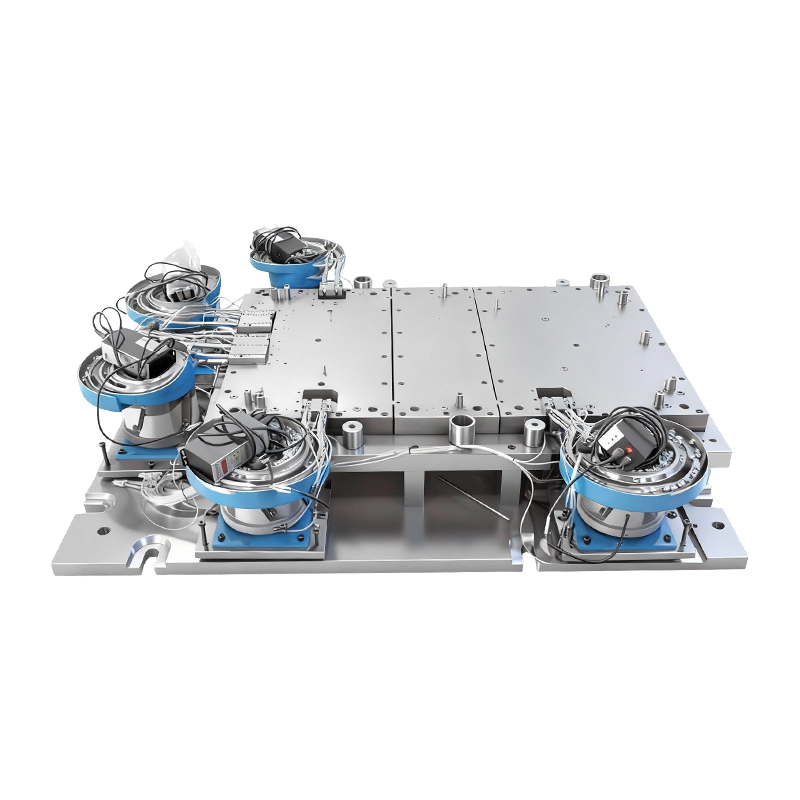
Automatische klinkvorm voor grote computermachinebasis
Deze automatische klinkvorm voor grote computer...
-
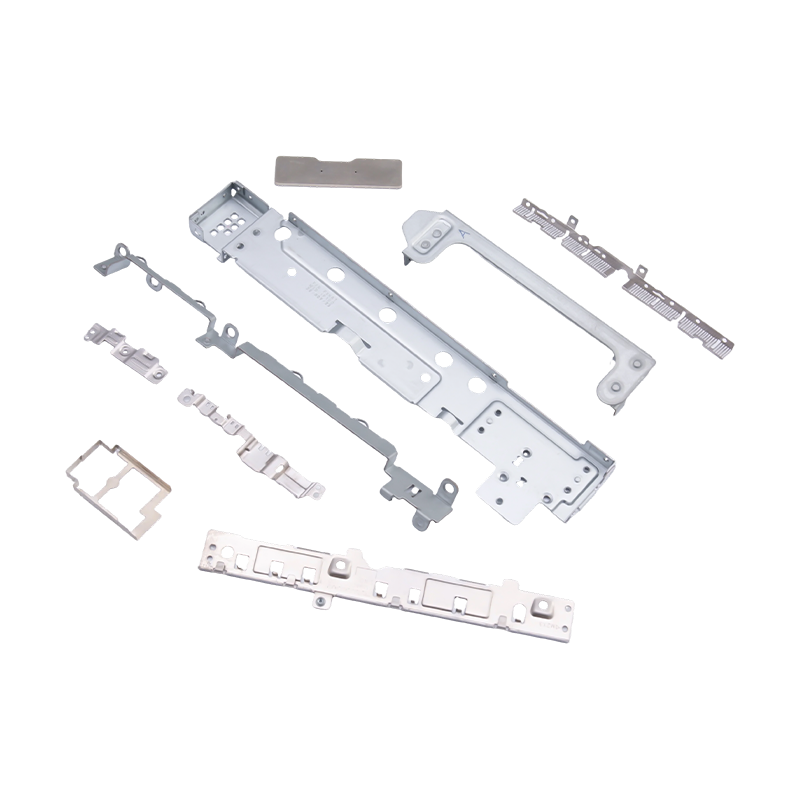
Kleine gestempelde onderdelen voor laptops en mobiele telefoons
Als essentiële interne componenten voor moderne...
-
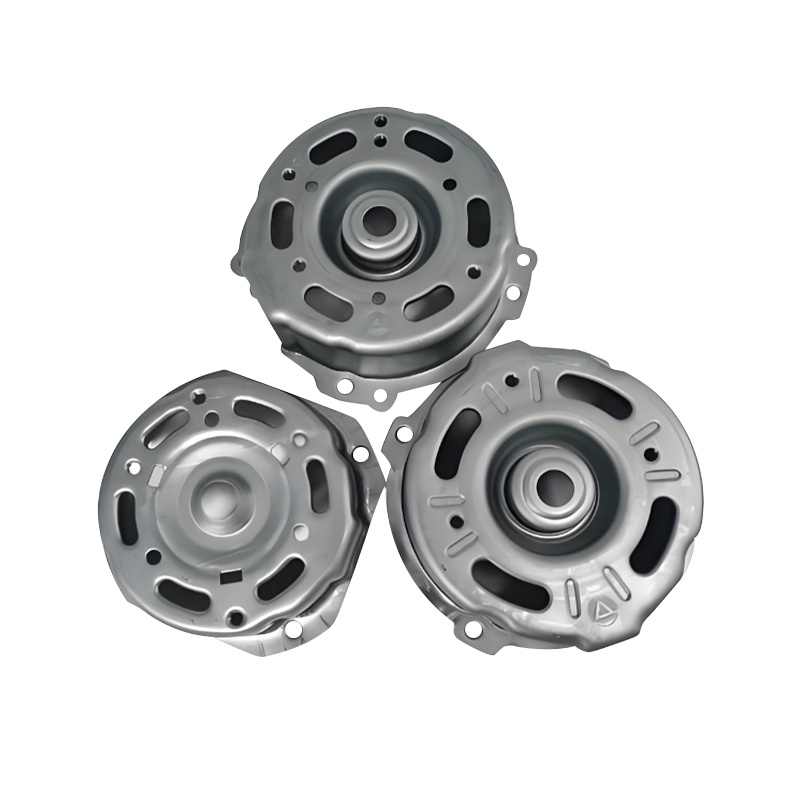
Stempelonderdelen voor motorbehuizingen voor auto's
Stempelonderdelen voor motorbehuizingen voor au...
-
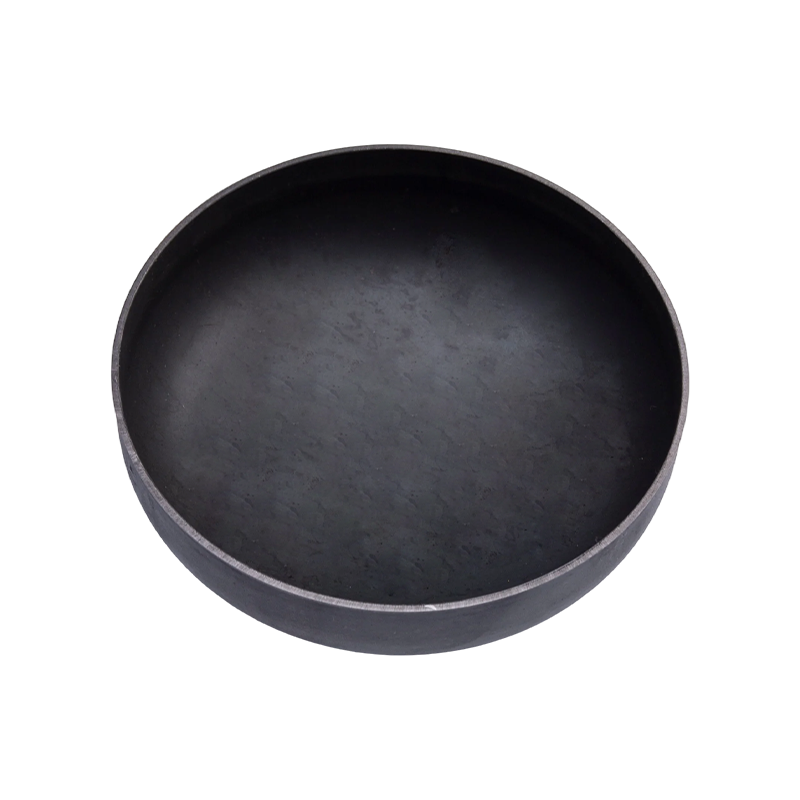
Onderdelen voor het stempelen van benzinetanks
Onderdelen voor het stempelen van gastanks zijn...
-
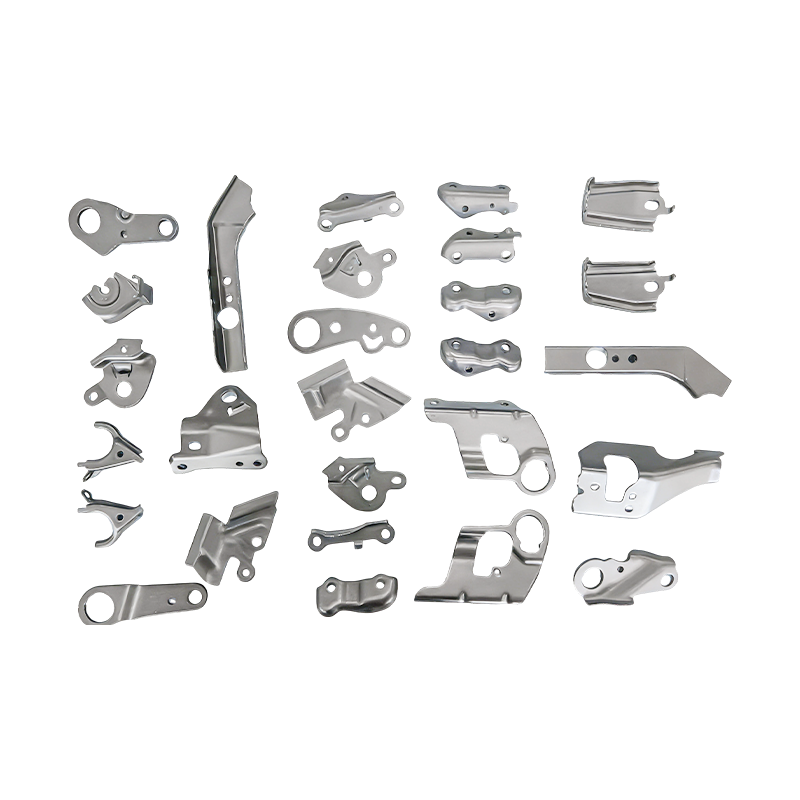
Kleine auto-onderdelen, progressieve stempelonderdelen
Onze progressieve stempelonderdelen voor kleine...

Industrie nieuws
High-Hardness Alloy Steel in Stamping Dies
2026-06-22
In the demanding field of precision metal stamping, the longevity and accuracy of a progressive die are fundamentally determined by the base material used in its construction. High-hardness alloy steel has become the industry standard for manufacturing critical stamping components, particularly when producing high-volume automotive parts, electronic connectors, and complex structural pieces. Unlike conventional tool steels, this advanced material category is engineered to withstand extreme mechanical stress, repetitive impact, and severe abrasive wear. For manufacturers utilizing continuous stamping processes, selecting the appropriate high-hardness alloy steel is not merely a material choice; it is a strategic decision that directly influences production efficiency, part quality, and overall tooling costs. This article explores the practical aspects, machining considerations, and operational benefits of utilizing these advanced steels in progressive die manufacturing.
Material Composition and Mechanical Properties
The defining characteristic of high-hardness alloy steel is its ability to achieve and maintain a Rockwell hardness typically exceeding 58 HRC after heat treatment, without becoming excessively brittle. This exceptional performance is achieved through the precise addition of specific alloying elements. Chromium is primarily added to enhance hardenability and wear resistance, while molybdenum and vanadium refine the grain structure, preventing crack propagation under heavy loads. Tungsten and cobalt are often included in cold-work tool steels to improve red hardness and maintain edge sharpness at elevated temperatures generated during high-speed stamping.
Balancing Hardness and Toughness
A common misconception in tooling is that higher hardness always equates to better performance. In reality, extreme hardness without adequate toughness leads to catastrophic chipping or cracking of punch tips during high-tonnage operations. Modern metallurgy has solved this by employing advanced powder metallurgy techniques. These processes create a highly uniform distribution of carbides within the steel matrix, allowing the material to possess a hard, wear-resistant surface while retaining a tougher, shock-absorbing core. This microstructural balance is what makes high-hardness alloy steel indispensable for complex, multi-stage progressive dies where both precision and durability are required.
Practical Applications in Progressive Stamping Dies
The unique properties of these steels make them suitable for specific, high-demand applications within the stamping industry. When designing progressive dies for automotive motor housings or electric vehicle battery enclosures, the material being stamped often includes high-strength low-alloy steels or aluminum alloys. These materials exert tremendous frictional forces on the die components, requiring a tooling material that can resist galling and abrasive wear over millions of cycles.
Critical Die Components
In a typical progressive die, high-hardness alloy steel is specifically reserved for the most vulnerable and critical working parts. These include blanking punches, piercing pins, forming dies, and coining stations. By utilizing this material for the working components and standard tool steel for the structural plates, manufacturers can optimize the cost-performance ratio of the mold. The working parts maintain their tight tolerances over millions of cycles, ensuring that the stamped motor housings have uniform wall thickness and precise fitting surfaces, which are critical for automotive powertrain assembly.
Machining and Heat Treatment Protocols
Working with high-hardness alloy steel requires specialized manufacturing protocols. Because the material is exceptionally difficult to machine in its fully hardened state, the manufacturing sequence must be meticulously planned. The general rule is to perform the bulk of the material removal, such as CNC milling and rough turning, while the steel is in its annealed or soft state. This reduces tool wear and allows for faster material removal rates during the initial shaping phases.
Precision Finishing Techniques
After the initial rough machining and stress-relieving processes, the steel undergoes precise heat treatment, typically involving vacuum quenching to prevent surface decarburization and minimize dimensional distortion. Following heat treatment, the steel reaches its target hardness. At this stage, traditional cutting tools cannot be used. Finishing to the final micron-level tolerances is achieved through jig grinding, coordinate grinding, and slow-speed wire electrical discharge machining. Wire EDM is particularly crucial for creating complex internal geometries and sharp corners in progressive die inserts without inducing mechanical stress.
| Manufacturing Stage | Primary Objective | Common Equipment Used |
| Rough Machining | Remove bulk material in soft state | CNC Milling Centers, Lathes |
| Heat Treatment | Achieve target hardness and microstructure | Vacuum Furnaces, Cryogenic Tanks |
| Precision Finishing | Achieve final micron-level tolerances | Wire EDM, Jig Grinders |
Enhancing Mold Lifespan and Production Efficiency
The integration of high-hardness alloy steel into progressive dies yields measurable improvements in overall production efficiency. The most immediate benefit is the dramatic extension of maintenance intervals. In high-volume stamping environments, standard steels may require polishing or replacement every few hundred thousand hits. In contrast, components made from high-hardness alloy steel can sustain millions of cycles before showing signs of significant wear, directly impacting the bottom line.
Operational Advantages
- Reduced Downtime: Fewer press stops are required for die maintenance, maximizing machine utilization and overall equipment effectiveness in continuous production runs.
- Consistent Part Quality: The superior wear resistance ensures that dimensional tolerances remain stable from the first stamped part to the millionth, reducing scrap rates.
- Lower Cost Per Part: Although the initial material and machining costs are higher, the extended lifespan significantly reduces the amortized tooling cost per production run.
- Improved Surface Finish: The stable cutting edges prevent the formation of burrs on the stamped parts, reducing or eliminating the need for secondary deburring operations.
Selection Criteria for Specific Stamping Operations
Selecting the exact grade of high-hardness alloy steel requires a thorough analysis of the stamping operation. Engineers must evaluate the type of material being stamped, the thickness of the strip, the complexity of the part geometry, and the expected production volume. For instance, when blanking thick, abrasive stainless steel, a high-carbon, high-chromium tool steel with high vanadium content is preferred for its extreme wear resistance. Conversely, when forming intricate, fragile features in thin electronic connectors, a material with slightly lower hardness but higher impact toughness is selected to prevent delicate punch tips from snapping under lateral stresses.
Surface Coatings and Treatments
To further push the performance boundaries, high-hardness alloy steel components are often subjected to advanced surface treatments. Physical Vapor Deposition coatings, such as Titanium Nitride or Chromium Nitride, can be applied to the finished steel. These coatings reduce the coefficient of friction, prevent galling when stamping aluminum, and add an extra layer of surface hardness, effectively multiplying the lifespan of the die components in the most aggressive stamping environments.
In conclusion, the application of high-hardness alloy steel in progressive die manufacturing is a critical factor in achieving high-volume, precision production. By understanding the material properties, adhering to strict machining protocols, and selecting the appropriate grades for specific applications, manufacturers can produce molds that deliver exceptional longevity and part consistency. As industries continue to demand tighter tolerances and higher production speeds, the reliance on these advanced alloy steels will only deepen, solidifying their role as the foundation of modern precision stamping.
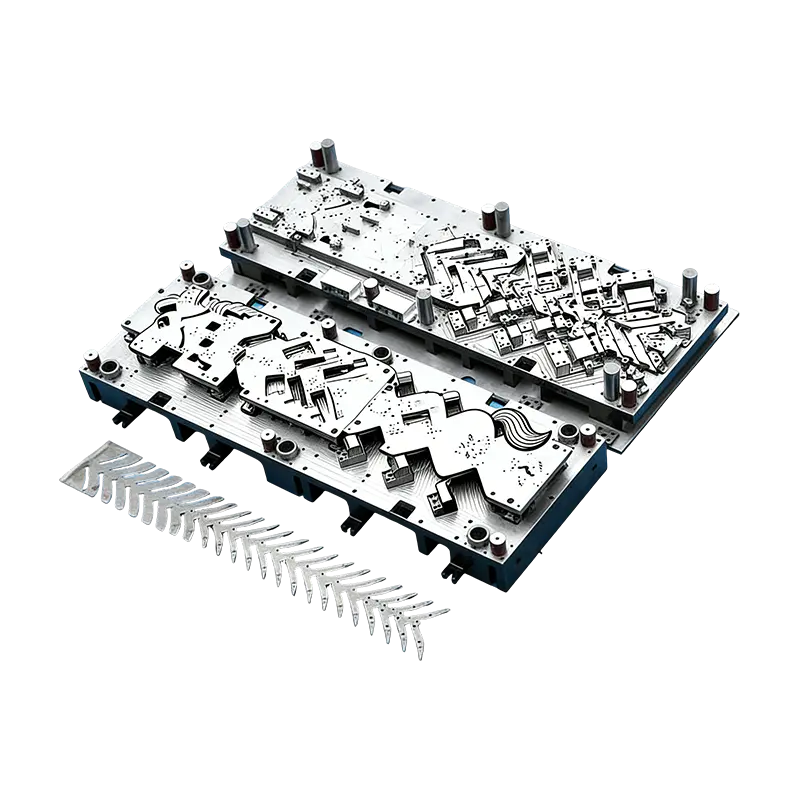
Vorig bericht
Hoe kies je hoogwaardige progressieve mallen?
Volgende bericht
Stempelonderdelen voor batterijdeksel voor behuizingen van EV- en energieopslagbatterijen
Onze Producten.
Start hier uw bedrijf met een OEM-fabrikant!

Bied wereldwijde klanten complete kant-en-klare oplossingen
door
innovatie!
SNELLE LINKS
NIEUWS
CONTACTINFORMATIE.
-
 +86-139 1308 8972
 -

-
 Nr. 118 Yexin Road, Wujiang Economic Development Zone, Suzhou, China
Auteursrecht © Suzhou Shuangqisi Mold Equipment Co., Ltd. Alle rechten voorbehouden. Aangepaste stempelmatrijs Fabrikanten van metalen stempelmatrijzen
